
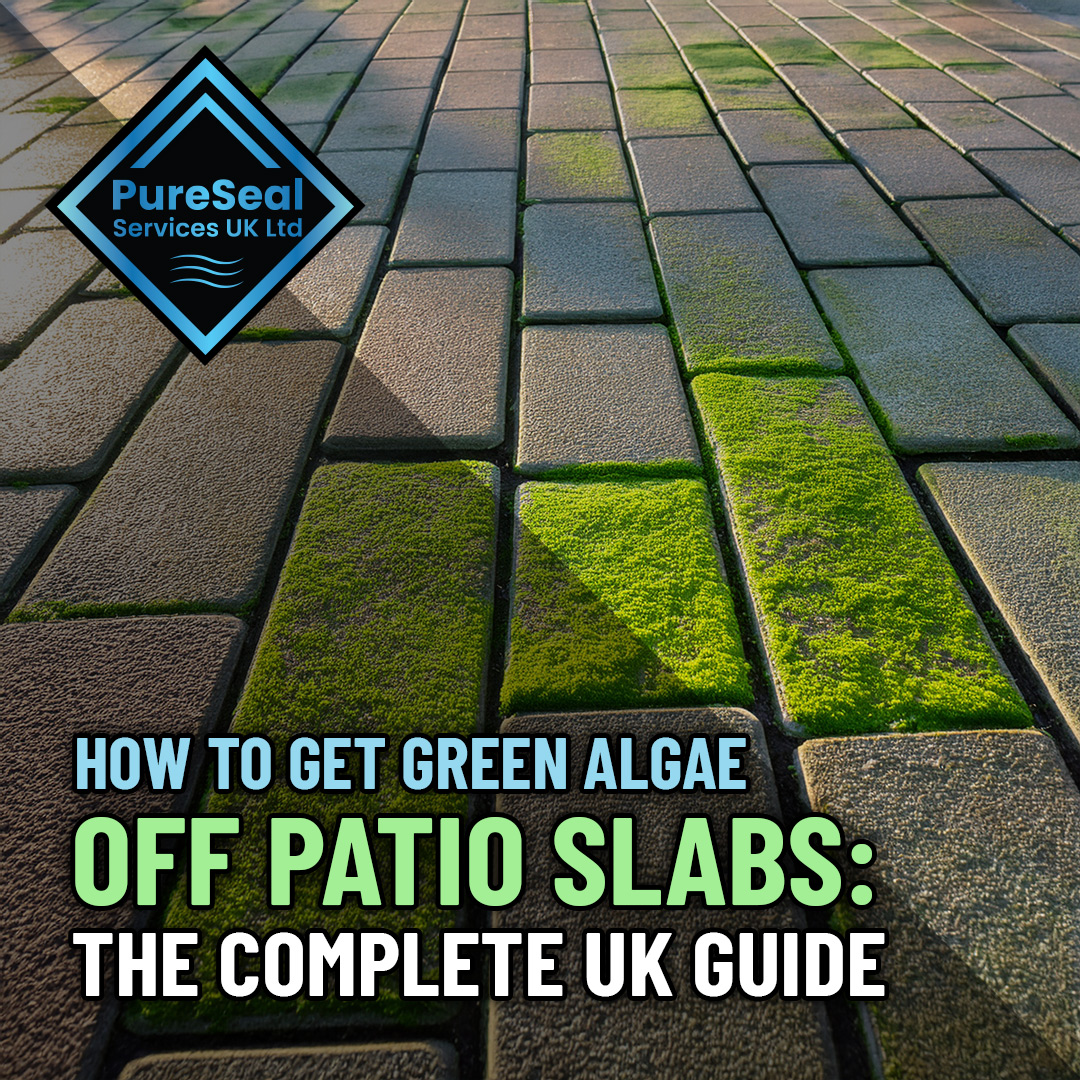
Few things make a patio look as neglected as a coating of slimy green algae. Common across the UK, algae thrives in damp and shaded areas, especially during our wet winters. Left unchecked, it not only makes patio slabs look dirty and old but also creates a slippery surface that can be a real hazard.
The good news is, there are plenty of effective ways to remove green algae and restore your patio slabs to their former glory. Whether you want to use eco-friendly methods, shop-bought patio cleaners, or hire professional help, this guide covers everything you need to know.
Why Does Algae Grow on Patio Slabs?
Green algae is a simple plant-like organism that thrives in moist, shaded, and nutrient-rich environments. Your patio provides the perfect conditions, especially if:
-
It’s shaded by trees, walls, or fences.
-
Rainwater doesn’t drain properly, leaving puddles.
-
Fallen leaves or soil sit on the slabs, feeding the algae.
-
There’s little sunlight or airflow to keep surfaces dry.
Because of the UK’s rainy climate, algae is a widespread problem, particularly between October and April.
Step 1: Preparation Before Cleaning
Before tackling algae removal:
-
Move furniture, pots, and ornaments.
-
Sweep away loose leaves and debris with a stiff broom.
-
If weeds are growing between the slabs, pull them out.
This ensures you can focus on removing the algae itself.
Step 2: Cleaning Methods for Removing Green Algae
There are several ways to remove algae, ranging from natural home remedies to professional-grade cleaning. Each has its pros, cons, and costs.
1. Warm Soapy Water and a Brush
This is the simplest and cheapest option.
How to do it:
-
Mix hot water with washing-up liquid.
-
Pour onto the affected slabs.
-
Scrub with a stiff yard brush.
-
Rinse with clean water.
Pros: Cheap, eco-friendly, safe for all stones.
Cons: Labour-intensive, less effective on heavy growth.
Cost: Under £5.
2. White Vinegar Solution
Vinegar is mildly acidic and works well on algae.
How to do it:
-
Mix vinegar and water in equal parts.
-
Pour or spray onto algae patches.
-
Leave for 20–30 minutes.
-
Scrub and rinse thoroughly.
Pros: Natural and pet-friendly (once rinsed).
Cons: Avoid on limestone or marble (acid-sensitive).
Cost: £2–£3 per litre.
3. Bleach Solution
Bleach is a powerful disinfectant that kills algae quickly.
How to do it:
-
Mix 1 part household bleach with 10 parts water.
-
Apply with a watering can or sprayer.
-
Leave for 10–15 minutes.
-
Scrub and rinse well.
Pros: Fast and effective.
Cons: Can harm plants, lawns, and may discolour stone.
Cost: Around £1–£2 per litre.
4. Specialist Patio Cleaners
Many UK garden centres and DIY stores sell products designed for algae and moss removal. These are often biocidal, meaning they kill the spores as well as surface growth.
How to do it:
-
Dilute as per instructions.
-
Apply using a watering can or pump sprayer.
-
Leave to work — some don’t require scrubbing.
-
Rinse or allow rain to wash away residue.
Pros: Long-lasting protection, tailored formulas.
Cons: Costs more, some contain chemicals unsuitable for delicate stone.
Cost: £10–£25 for 5 litres (covers 20–40 m²).
5. Pressure Washing
A pressure washer blasts algae away with high-pressure water.
How to do it:
-
Use a wide spray nozzle.
-
Keep nozzle 20–30 cm from surface.
-
Move in even sweeps to avoid striping.
Pros: Very effective, fast results.
Cons: Can damage pointing or soft stones like sandstone.
Cost:
-
Buy domestic washer: £100–£150.
-
Hire for a day: around £40.
Comparison Table: Algae Removal Methods
| Method | Cost (approx.) | Best For | Drawbacks | Suitable For |
|---|---|---|---|---|
| Soapy Water & Brush | £2–£5 | Light algae, regular cleaning | Hard work, less effective on heavy growth | All slab types |
| White Vinegar Solution | £2–£3 per litre | Natural cleaning, small patios | Damages limestone/marble | Concrete, sandstone |
| Bleach Solution | £1–£2 per litre | Fast kill of algae | Can harm plants and discolour slabs | Concrete, sandstone |
| Specialist Patio Cleaner | £10–£25 (5L) | Long-term treatment, tough algae | Some contain chemicals | Most stones (avoid limestone acids) |
| Pressure Washing | £40 hire / £100+ buy | Large areas, heavy algae | Risks damaging pointing/soft stone | Concrete, porcelain |
Step 3: Preventing Algae Returning
Cleaning is only half the battle. To keep your patio looking new:
-
Improve drainage – ensure water doesn’t pool on slabs.
-
Increase sunlight – trim back overhanging branches or hedges.
-
Sweep regularly – remove leaves and dirt before they feed algae.
-
Apply a sealant – protective coatings help stop algae regrowth.
-
Use a biocidal wash annually – prevents spores from taking hold.
Step 4: Sealing Your Patio
Applying a patio sealant creates a barrier against moisture and algae.
Benefits:
-
Reduces algae and moss regrowth.
-
Protects porous stone from staining.
-
Enhances colour (natural or wet-look finish).
Types:
-
Penetrating sealers: Soak into stone for invisible protection.
-
Surface sealers: Create a visible layer with sheen.
Cost: £25–£40 for 5 litres (covers 25–50 m²).
Reapply every 2–3 years for best results.
Step 5: Professional vs DIY Algae Removal
If your patio is large or badly affected, hiring a professional may be worthwhile.
| Option | Average Cost (UK) | What’s Included |
|---|---|---|
| DIY – Soapy water & brush | £2–£5 | Cheap, safe, labour-intensive |
| DIY – Vinegar/Bleach | £2–£5 per treatment | Low cost, moderate effort |
| DIY – Patio cleaner | £10–£25 | Effective, slower regrowth |
| DIY – Pressure washer hire | £40 per day | Powerful, needs careful handling |
| Professional cleaning | £3–£6 per m² | Jet wash, stain treatment, re-sanding |
| Pro clean & seal | £8–£12 per m² | Deep clean plus long-lasting seal |
For a 30 m² patio:
-
DIY with cleaners: under £25.
-
Professional clean & seal: £240–£360.
Eco-Friendly Algae Removal
Many homeowners prefer avoiding chemicals for environmental or safety reasons. Options include:
-
Vinegar solution.
-
Baking soda scrub for small patches.
-
Boiling water for cracks and joints.
-
Eco-labelled patio cleaners (biodegradable formulas, £15–£20).
-
Low-pressure steam cleaning (used by some professionals).
Material-Specific Algae Cleaning
Different stone types need different care.
| Patio Material | Cleaning Advice |
|---|---|
| Concrete | Safe with pressure washing and most cleaners. |
| Sandstone | Use gentle cleaners; avoid harsh acids. |
| Limestone | Do not use vinegar or acids; stick to mild detergents. |
| Porcelain | Non-porous, easy to clean; pressure washing safe. |
| Granite | Durable; jet wash fine; sealing recommended. |
Common Mistakes to Avoid
-
Using bleach near plants without protection.
-
Applying vinegar or acid cleaners to limestone or marble.
-
Jet washing too close, damaging slabs and pointing.
-
Forgetting to rinse, leaving slippery residues.
-
Not sealing after cleaning, leading to rapid regrowth.
Safety Tips for Algae Removal
-
Wear gloves and eye protection when handling chemicals.
-
Keep pets and children away until the patio is rinsed and dry.
-
Cover plants with tarpaulin or plastic sheeting.
-
Don’t mix cleaners (e.g. bleach + vinegar = toxic fumes).
-
Be cautious on wet, slippery slabs during cleaning.
Seasonal Patio Care
Algae tends to return during certain times of year. A seasonal approach helps:
| Season | Main Risk | Best Action |
|---|---|---|
| Spring | Algae after damp winter | Deep clean and reseal if required |
| Summer | Food and drink stains | Spot clean quickly after barbecues |
| Autumn | Falling leaves | Sweep often to prevent staining/algae |
| Winter | Damp + frost = slippery | Light clean, avoid salt (use sand) |
When to Call a Professional
DIY cleaning is often enough, but professional help is best if:
-
Your patio is very large or heavily covered in algae.
-
Slabs are delicate or expensive stone.
-
You want sealing applied for long-term results.
-
You’d prefer not to handle chemicals yourself.
Final Thoughts
Green algae on patio slabs may look unsightly and create a slip hazard, but it’s not permanent. With the right cleaning method — whether that’s soapy water, vinegar, bleach, specialist patio cleaners, or a pressure washer — you can bring your patio back to life.
For lasting results, remember to:
-
Seal the slabs.
-
Maintain drainage and airflow.
-
Clean regularly before algae takes hold.
With just a weekend’s effort (and less than £30 in materials for DIY cleaning), you can transform your patio into a safe, clean, and attractive outdoor space again.
Natural Weed and Algae Prevention
While cleaning removes algae, prevention is just as important. Homeowners can use natural methods to discourage regrowth:
-
Boiling water – pour into cracks and joints to kill spores and weeds.
-
Regular sweeping – keeps leaves and soil from feeding algae.
-
Sand in joints – brushing kiln-dried sand between slabs reduces moisture collection.
-
Move pots and furniture – avoids permanent damp patches where algae thrives.
These low-cost measures make future cleans quicker and easier.
Budget vs Premium Algae Cleaners
Is it worth paying extra for a premium cleaner, or do budget products work just as well?
| Product Type | Budget Option (£) | Premium Option (£) | Benefits of Premium |
|---|---|---|---|
| Patio Cleaner (5L) | £8–£12 | £20–£30 | Longer-lasting, often eco-friendly |
| Sealant (5L) | £25–£30 | £40–£60 | Enhanced UV resistance and stain protection |
| Rust/Algae Remover | £10–£12 | £18–£22 | Faster results, safer on delicate stone |
If you’re only giving your patio a yearly clean, budget options are fine. For ongoing protection or valuable stone (like sandstone or limestone), premium products usually pay off.
Tools Every Homeowner Should Own
A few reliable tools make algae removal much easier:
-
Stiff yard brush (£10–£15) – for scrubbing.
-
Pump sprayer (£10–£20) – for even application of cleaners.
-
Domestic pressure washer (£100–£150) – for occasional deep cleans.
-
Hand weeding tool (£5–£10) – to clear joints before sealing.
-
Protective gloves and goggles (£10–£15) – essential for chemical handling.
These tools are a one-time investment but can save hundreds compared to hiring professionals every year.
Safety Checklist for Algae Cleaning
Patio cleaning often involves slippery surfaces, water, and chemicals. Stay safe with this checklist:
-
Wear sturdy gloves and safety goggles.
-
Keep children and pets away during cleaning.
-
Cover plants with tarpaulin if using bleach or chemicals.
-
Rinse thoroughly to remove residues before walking on slabs.
-
Never mix cleaning products (especially bleach and vinegar).
-
Use caution with jet washers — high pressure can cause injuries.
Long-Term Patio Upgrades
If algae keeps coming back or slabs are badly stained, you may want to consider upgrades:
-
Repointing – replace jointing sand or mortar for sharper looks.
-
Replacing slabs – swap heavily stained or cracked ones.
-
Installing edging stones – reduces soil run-off and keeps joints cleaner.
-
Resurfacing – resin-bound gravel or outdoor tiles can give a modern, algae-resistant finish.
-
Adding lighting – not only looks good, but extra light also discourages algae in shaded areas.